Geelong's premiere skin clinic It's laser season! Explore our treatment options for pigmentation, age-management, redness and more!

The Proven Link Between Acne and Diet

The Proven Link Between Acne and Diet

Sugar and Dairy are Contributing to your Acne

It’s been a controversial issue but now new evidence from a recent study proves that acne is made worse by sugary and fatty foods.

Results from a large study compared the diet of almost 15,000 adults aged 25 and over (outside the typical age of those experiencing), with both the presence and absence of acne.

“The results of our study appear to support the hypothesis that the Western diet (rich in animal products and fatty and sugary foods) is associated with the presence of acne in adulthood”, the French researchers said in JAMA Dermatology.

According to their analysis, researchers found diets high in dairy and refined sugars increased the likelihood of current acne by 50%. To add, diets high in sugary carbonated drinks increased the risk by 18% and a high dairy milk intake was associated with a 12% increased likelihood of having the inflammatory skin condition.

It has long been speculated that a western diet of diary and refined sugars negatively impacts the health of the skin. Now the confirmation of such increased probability in suffering acne when living off a poor diet, it’s important to ensure individuals suffering acne practice considered consumption.

What you eat is of utmost importance when it comes to your skin, and especially when it comes to those dealing with acne and congestion.

Our skin experts will always look at acne as a condition holistically, and will assess each client’s lifestyle, diet and topical products to determine triggers of the inflammatory skin concern.

If you’re experiencing signs of acne, book in for a bulk-billed consultation with our resident GP, Dr Kath Reynolds, and take your first step to great skin.

Reference
JAMA Dermatol. Doi: 10.1001/jamadermatol.2020.1602
JAMA Dermatol. Doi: 10.1001/jamadermatol.2020.1601

Read more

Adult Acne Treatments at Luminosity Geelong

Adult Acne Treatments at Luminosity Geelong

Still suffering from blemish-prone skin but feel that you're too old to be getting spots? It's a problem more common than you think -  many women are diagnosed with some form of acne during their adult lives.

Finding the right treatment or advice can be tricky...do you obsess over keeping your skin clean? What skincare should you use? Which skin treatment is going to be the right one for you? Laser, Peels or Facials.... the list can be quite extensive so we suggest you engage an expert to help tailor a skin plan specifically for your needs.

Our team of experts includes Dr Kath Reynolds and skin technicians Jill, both work together to ensure the best possible outcome is achieved.

To book your consultation call 5221 7676 or book here

Read more

How to Properly Pop a Pimple

How to Properly Pop a Pimple

Geelong's Acne Experts

Have you ever had a zit so big, it could have its own postcode? Or a huge blinder that could be mistaken for your twin?

Jill Mullan B.HlthSc who is one of our experts in skin has a few squeezing tips for you;

"Hi Girls,
There are all sorts of reasons why we get pimples, and coming from a family of "excited squeezers" I have come to recognise that not all should be squeezed.

There are so many myths out there regarding pimple popping I thought we would get right into the heart of the matter.

Does popping a pimple make it better or worse?
At first glance, that zit you have has a number of traits including compromised skin shedding, blockage of the pores and inflammation.

So given these circumstances, what will happen after you pop the zit?
Well, you will create a mess and after that your skin will need to start the repair process.
Wounds heal in a series of steps. The bleeding must stop, inflammation starts to dis-infect the area, this inflammation causes more cells will grow to replace the damaged ones and then finally the skin will begin to renew itself.
So, when you squeeze a zit, you immediately trigger more of the traits of acne, which include inflammation. Not only this but squeezing affects multiple pores located next to you target pimple to pop.

This leads us to another cause of acne..
Premature breaking of a pore that is con-gested with excess oils and proteins. Busting such a pore promotes the inflamma-tion response to remove the oils and proteins from surrounding tissues. Yes, this means more zits!

What we call the pustule is actually keeping the bacteria nice and contained.. When you puncture the pimple's outer skin, the bacterial infection oozes out. If the bacteria contained in that pus lands inside other pores, it can lead to more pimples.
There's another risk.
Poke, pick, prick, and prod a pimple, and you can force the de-bris and bacteria even deeper into your skin. You may also introduce new kinds of bacteria from your finger into the zit. That can cause the pimple to become more red, inflamed, swollen and infected, and may even lead to permanent scarring.
Bottom line... It's best to let a pimple run through its life span.
Left alone, a blemish will heal itself in 3 to 7 days. Popped improperly, it can linger for weeks or even lead to scarring.

How Pros Pop Pimples

Dermatologists and well-trained aestheticians know how to pop a pimple safely. They wear gloves and lance a pimple with a sterile needle, then remove the contents with an instrument called a comedone extractor.
So, popping a pimple is best left to the pros. But let's face it. Sometimes, it can be tough to resist the temptation to squeeze the pus out of that bright red zit on your cheek, chin, or nose."

Call Luminosity today on (03) 5221 7676 for a free consult, or book online on your skin or to talk about your acne concerns.

Read more

The Remedy to Dry Hands in COVID Times

The Remedy to Dry Hands in COVID Times

WHY ARE MY HANDS SO DRY?

hand washing skin geelong repair

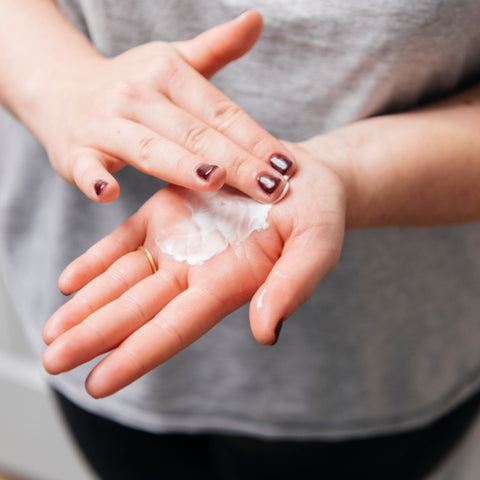
It's no surprise that due to the more-frequent-than-usual hand washing and use of sanitiser in the time of Coronavirus, the skin of our hands has been compromised. 

When treating hands that are feeling dry, dehydrated and cracked due to the cooler weather and excessive hand-washing/sanitising our Medical Director, Dr Kath Reynolds suggests the below points;

1. Hand sanitiser is a better choice than soap & water when it comes to dry hands, but soap & water is more effective in warding off potential pathogens and viral infection control.
A good middle ground is a hand wash that contains moisturising ingredients such as shea butter or essential oils.

2. After washing, a good hand barrier cream is necessary. Applied after each washing or sanitising, this product will nourish and replenish the natural oils and moisture to the skin, while providing a shield from any environmental factors.
You will be able to find a good barrier cream at your local chemist of supermarket.

3. An oral supplement that will help with dry & damaged hands is Vitamin B3. We are big advocates for Vitamin B3 (also known as Niacinamide) for the regenerative and healing properties it provides the skin. Both applied topically and orally, Vitamin B is necessary to aid skin in winter.

If you're experiencing more severe skin issues to the hands such as dermatitis and eczema please book a consultation with Kath who is able to prescribe topical ointments to speed up recovery.

Read more

Why do I need a professional Skin Check?

Why do I need a professional Skin Check?

Nothing looks better in your 50s than sunscreen in your twenties.

Living in Australia, a country with one of the highest rates of skin cancer in the world, it is important to have regular skin checks by a professional. But how often is often enough? And at what age should you start getting checked?
While the ageing population are at a higher risk of developing all types of cancer, skin cancer is the most commonly diagnosed cancer among adolescents and young adults. Therefore, regardless of your age, it’s important to regularly check your skin.

The Cancer Council recommends adults should check their own skin and moles every 3 months.
If you’re concerned about your skin cancer risk or notice anything on your skin that’s changed in size, shape or colour, book an appointment to see a GP straight away.

Dr Kath Reynolds specialises in Skin and Mole Analysis and recommends an annual visit to ensure all is being cared for.

With the four main skin cancers & disorders, Melanoma's, Basal Cell, Squamous Cell Carcinomas and the highly active Solar Keratoses being treated more than ever, today we cant express enough the importance of a reliable practitioner to complete your Skin Health Check.

The sun is the biggest contributor for advanced ageing, pigmentation, rosacea and skin sensitivities.

At Luminosity Skin we focus on Skin Health, we recommend PREVENTION with the use of a broad spectrum sunscreen, active skincare to encourage good skin health and the option for treatment to help stabilise active signs of sun-damage. 

Below is a wonderful video that shows how important sunscreen application is.

Read more